
12 Fun Games to Help Costa Rican Kids Learn English at Home in 2026
Learning English at home doesn’t have to feel like homework. In fact, some of the most effective language learning happens when children are playing, laughing, and interacting naturally with their families.
For Costa Rican parents who want to help their children improve their English in 2026, incorporating fun games into daily routines can make a huge difference. Games help children build vocabulary, improve pronunciation, develop listening skills, and gain confidence without the pressure of a traditional classroom environment.
Here are some of the best English-learning games families can enjoy at home.
12 Fun Games to Help Costa Rican Kids Learn English at Home in 2026
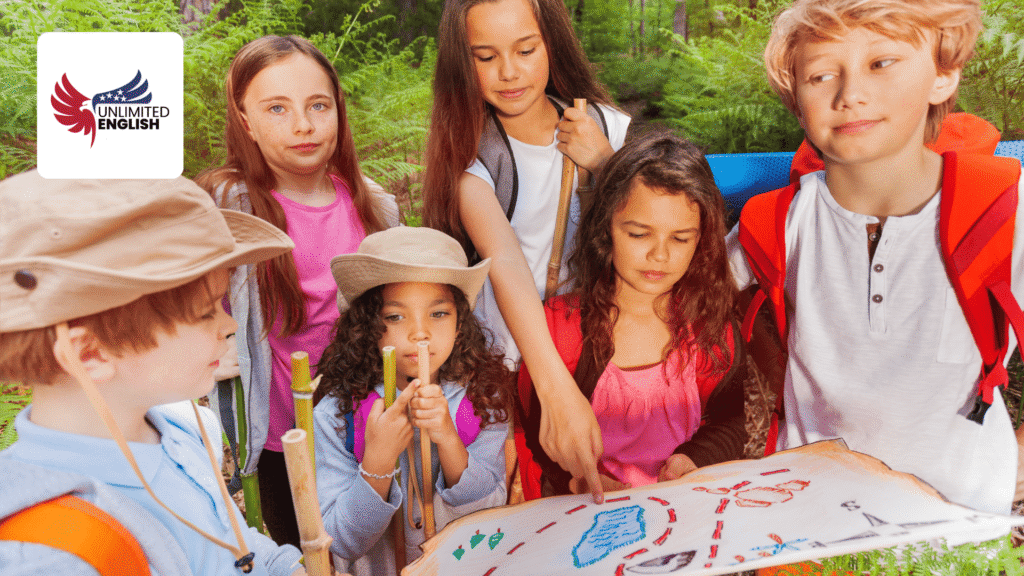
1. English Treasure Hunt
A treasure hunt turns your home into an exciting English-learning adventure.
How to Play:
Hide small objects around the house and give clues in English:
- «Look under the table.»
- «Go to the kitchen.»
- «Check behind the sofa.»
Skills Practiced:
- Listening comprehension
- Household vocabulary
- Following directions
You can make the game easier for younger children or more challenging for older learners by using longer clues and additional vocabulary.
12 Fun Games to Help Costa Rican Kids Learn English at Home in 2026
2. Simon Says
This classic game is perfect for learning action verbs and body parts.
Examples:
- Simon says touch your nose.
- Simon says jump three times.
- Simon says clap your hands.
Children must only follow commands when they hear «Simon says.»
Skills Practiced:
- Listening
- Vocabulary
- Physical movement
This game is especially effective for energetic children who learn best through movement.
12 Fun Games to Help Costa Rican Kids Learn English at Home in 2026
3. English Bingo
Create simple bingo cards with English words or pictures.
Vocabulary Ideas:
- Animals
- Colors
- Food
- School supplies
- Family members
Call out the words in English and have children mark them on their cards.
Skills Practiced:
- Vocabulary recognition
- Listening
- Reading
Children love competing to be the first to shout «Bingo!»
12 Fun Games to Help Costa Rican Kids Learn English at Home in 2026
4. Guess the Object
Place several household objects in a bag.
The child reaches inside and describes the object in English without looking.
Example:
- «It is round.»
- «It is red.»
- «You can eat it.»
Other family members guess the object.
Skills Practiced:
- Speaking
- Descriptive language
- Critical thinking
12 Fun Games to Help Costa Rican Kids Learn English at Home in 2026
5. Memory Card Game
Create matching cards using English vocabulary.
Examples:
- Picture of a dog → DOG
- Picture of a banana → BANANA
- Picture of a car → CAR
Players turn over two cards at a time trying to find matches.
Skills Practiced:
- Reading
- Vocabulary retention
- Concentration
12 Fun Games to Help Costa Rican Kids Learn English at Home in 2026
6. Charades in English
Children act out words while others guess.
Categories:
- Animals
- Sports
- Jobs
- Emotions
- Actions
Examples:
- Swimming
- Doctor
- Happy
- Elephant
Skills Practiced:
- Vocabulary
- Speaking
- Creativity
This game works well for family game nights.
12 Fun Games to Help Costa Rican Kids Learn English at Home in 2026
7. Twenty Questions
One person thinks of an object, animal, or person.
Others ask yes-or-no questions in English.
Examples:
- Is it an animal?
- Is it big?
- Can it fly?
Skills Practiced:
- Question formation
- Speaking
- Logical thinking
Older children especially enjoy this challenge.
12 Fun Games to Help Costa Rican Kids Learn English at Home in 2026
8. English Scavenger Hunt
Give children a list of items to find around the house.
Example List:
- Something blue
- Something soft
- Something round
- Something made of wood
Children must identify and name the items in English.
Skills Practiced:
- Vocabulary
- Observation
- Speaking confidence
12 Fun Games to Help Costa Rican Kids Learn English at Home in 2026
9. Story Building Game
One person starts a story with a sentence:
«Once upon a time, there was a dragon.»
Each family member adds another sentence in English.
The story often becomes funny and unexpected.
Skills Practiced:
- Speaking
- Creativity
- Sentence formation
This game encourages children to use English naturally rather than memorizing phrases.
12 Fun Games to Help Costa Rican Kids Learn English at Home in 2026
10. Word Categories Race
Choose a category and set a timer.
Examples:
- Animals
- Foods
- Colors
- Countries
- Toys
Children have one minute to name as many words as possible.
Skills Practiced:
- Vocabulary recall
- Speaking fluency
- Quick thinking
12 Fun Games to Help Costa Rican Kids Learn English at Home in 2026
11. English Board Games
Many traditional board games can easily become English-learning activities.
Examples:
- Monopoly
- Guess Who?
- Scrabble Junior
- Uno
Encourage children to speak only English during the game.
Skills Practiced:
- Conversation
- Reading
- Social interaction
12 Fun Games to Help Costa Rican Kids Learn English at Home in 2026
12. Digital Games and Apps
In 2026, technology continues to provide valuable opportunities for language practice.
Parents can use educational games that focus on:
- Vocabulary
- Pronunciation
- Listening
- Reading
The key is balancing screen time with interactive speaking activities.
12 Fun Games to Help Costa Rican Kids Learn English at Home in 2026
Tips for Costa Rican Parents
Keep It Fun
Children learn best when they are enjoying themselves. Avoid correcting every mistake immediately.
Use English Every Day
Even 10–15 minutes of English playtime each day can produce impressive results over time.
Celebrate Effort
Praise children for trying to speak English, even when they make mistakes.
Participate Together
Children are more motivated when parents and siblings join the games.
Be Consistent
Short, regular practice sessions are more effective than long study sessions once a week.
In conclusion, helping children learn English at home doesn’t require expensive materials or complicated lessons. Simple games can transform everyday moments into valuable learning opportunities.
For Costa Rican families, combining fun activities with regular exposure to English can significantly improve vocabulary, listening comprehension, and speaking confidence. The best part is that children often don’t realize they’re learning because they’re too busy having fun.
At Unlimited English, we believe language learning should be engaging, interactive, and enjoyable. By incorporating these games into your family’s routine, you can help your child build strong English skills while creating lasting memories together.
Looking for live English classes with native-speaking teachers? Contact Unlimited English today and discover how our interactive online programs help Costa Rican children become confident English speakers.
